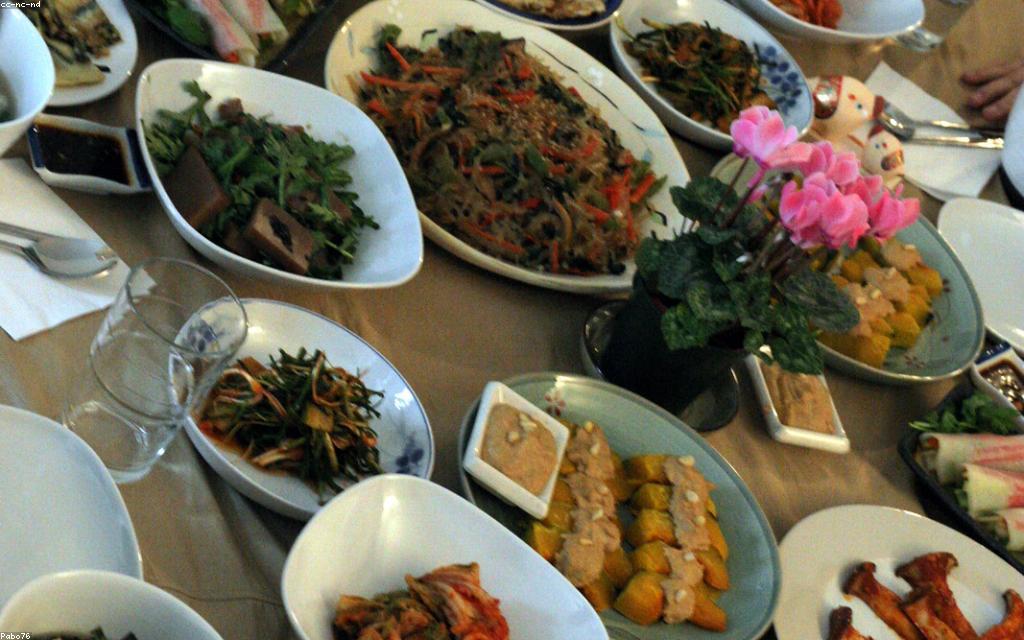
The difference between people who cook regularly and people who order takeout when they are tired is rarely skill or ambition. More often it comes down to the pantry. A thoughtfully stocked kitchen means that on the busiest, most uninspired evening, you can still pull together a genuinely good meal without a special trip to the store. Building that pantry is a one-time investment of thought that pays dividends every single week.
The Philosophy of a Working Pantry
A good pantry is not about owning every exotic ingredient or filling shelves with things you use once a year. It is about stocking a focused set of versatile, long-lasting ingredients that combine into many different meals. The goal is flexibility: you want building blocks that can become Italian one night, Mexican the next, and a quick stir-fry after that, depending on how you combine and season them.
Think of your pantry in layers. There are the bulk staples that form the base of meals, the flavor builders that give those bases character, and the long-keeping proteins and vegetables that round out a plate. Get all three layers in place and you will rarely face an empty-handed evening.
The Foundation: Starches and Grains
The base of most quick meals is a starch, because starches are filling, cheap, and keep almost indefinitely. A well-stocked pantry should always include a few of these so that no matter what else you have, you can build a meal around them.
- Dried pasta in a couple of shapes, which cooks in minutes and pairs with countless sauces.
- Rice, both a long-grain for everyday meals and perhaps a short-grain or basmati for variety.
- Other grains such as couscous, which is ready in five minutes, or hardier options like lentils and dried beans for soups and stews.
With nothing but pasta, a can of tomatoes, garlic, and olive oil, you already have dinner. That is the power of a strong starch base.
The Flavor Builders
If starches are the canvas, flavor builders are the paint. These are the concentrated, shelf-stable ingredients that turn bland into delicious, and they are where a pantry truly earns its keep. The most valuable ones add savory depth, acidity, heat, or aromatic complexity.
- Canned tomatoes, which become sauce, soup, braise, or stew with almost no effort.
- Acids like vinegars and a couple of bottled citrus options, essential for brightening and balancing rich dishes.
- Umami boosters such as soy sauce, fish sauce, miso, anchovies, tomato paste, and dried mushrooms, all of which add savory depth.
- Stock or bouillon for instant flavorful liquid.
- A range of dried spices and dried herbs, plus chili flakes for heat.
These ingredients are what let you take the same chicken and rice and make it taste Italian, Indian, or Thai depending on which jars you reach for. Investing in a solid spice collection in particular gives you enormous range for very little money.
Additional reading is available at https://tg88ms.com/.
Fats and Aromatics
Every cuisine begins with fat and aromatics. Keep a neutral oil for high-heat cooking and a good olive oil for finishing and dressings. Aromatics like onions, garlic, and ginger keep for weeks in a cool, dark place and form the foundation of an enormous range of dishes. A few of these alone, sizzled in oil, instantly make a kitchen smell like dinner is on the way.
Shelf-Stable and Long-Keeping Proteins
Protein is what makes a meal feel complete, and you do not need fresh meat on hand to provide it. Canned and dried proteins keep for ages and rescue countless dinners. Canned beans and chickpeas are ready in seconds. Canned tuna and sardines make quick salads, pastas, and sandwiches. Eggs, which keep for weeks in the refrigerator, are perhaps the ultimate fast-dinner protein, equally at home in a frittata, fried rice, or a simple plate of toast.
In the freezer, keep a stash of options that thaw or cook quickly: portions of meat, shrimp, frozen vegetables, and frozen aromatics. Frozen vegetables in particular are picked and frozen at peak ripeness, so they are often more nutritious and convenient than tired fresh produce from the back of the crisper drawer.
Keeping It Organized and Rotated
A pantry only works if you can see what you have and use it before it expires. Store ingredients where you can see them, group similar items together, and practice rotation by moving older items to the front. Periodically take stock of what is running low and add it to your shopping list before you run out entirely. A staple is only useful if it is actually present when you reach for it.
Putting It All Together
With this kind of pantry in place, weeknight cooking stops being a question of whether you have the right ingredients and becomes a simple matter of combining what you already own. Pasta, garlic, canned tomatoes, and olive oil become a quick dinner. Rice, an egg, frozen vegetables, and soy sauce become fried rice. Canned chickpeas, spices, and tomatoes become a fragrant stew. The recipes are almost beside the point; the well-stocked shelf is what gives you the freedom to cook without a plan, which is exactly the freedom that keeps you out of the takeout line.