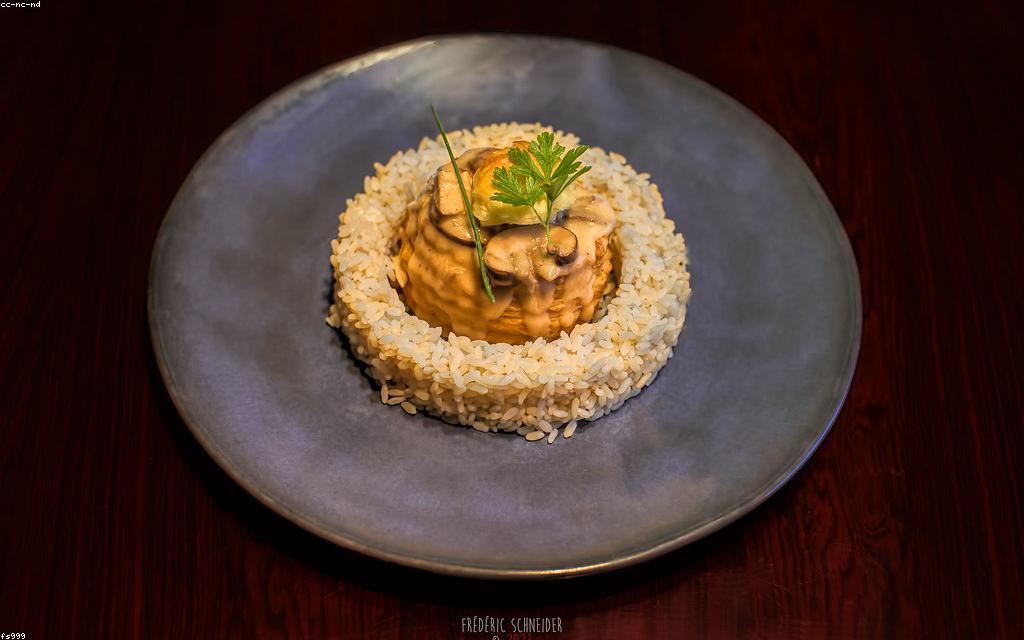
That deep brown, flavorful crust on a steak, the caramelized edges of roasted vegetables, the golden surface of a seared scallop: these are not the products of expensive ingredients but of a single chemical process that home cooks can absolutely master. The browning that creates so much flavor is called the Maillard reaction, and understanding how to encourage it is the key to making ordinary food taste extraordinary.
What the Maillard Reaction Is
The Maillard reaction is a chemical interaction between amino acids and sugars that occurs when food is exposed to sufficient heat. It produces hundreds of new flavor and aroma compounds and the characteristic brown color we associate with seared, roasted, baked, and toasted foods. It is distinct from simple caramelization, which is the browning of sugar alone, although the two often happen together. This reaction is responsible for the flavor of toast, coffee, seared meat, roasted nuts, and the crust on bread.
The crucial thing to understand is that this reaction needs heat and a relatively dry surface to proceed efficiently. It happens readily at the high temperatures of a hot pan or oven but essentially stops in the presence of too much water, because water keeps the surface temperature capped at the boiling point, which is too low for browning to occur.
The Enemy of Browning Is Moisture
This single fact explains most failed sears. When food is wet, or when it is crowded in a pan so that its released moisture cannot escape, the food steams instead of browning. You end up with gray, flabby meat and limp, pale vegetables instead of a deep brown crust. Anyone who has dumped a pile of wet mushrooms into a pan and watched them release a pool of liquid and turn rubbery has experienced this firsthand.
The solution is to manage moisture aggressively at every step.
- Pat proteins thoroughly dry with paper towels before they hit the pan; surface moisture is the first thing that must boil off before browning can begin.
- Do not crowd the pan, because each piece of food releases steam, and a crowded pan traps that steam and lowers the temperature.
- Work in batches if necessary, giving each piece enough space and contact with the hot surface.
Get the Pan Properly Hot
A sear requires real heat. Many home cooks are nervous about high heat and put food into a pan that is barely warm, which guarantees steaming and sticking. Instead, preheat the pan over medium-high to high heat until it is genuinely hot before adding fat, and then add the food. A properly heated pan with a thin film of oil will sizzle aggressively the moment food touches it. That sizzle is the sound of surface moisture flashing to steam, the first step toward a crust.
Choose a fat with a high smoke point for high-heat searing, such as a neutral oil, refined oil, or clarified butter. Whole butter burns quickly at searing temperatures because of its milk solids, so if you want its flavor, add a knob near the end rather than at the start.
Leave the Food Alone
Patience is the other half of a good sear. Once food makes contact with a hot pan, it will stick at first and then naturally release once a crust has formed. The instinct to poke, flip, and shuffle the food constantly is the enemy of browning, because it prevents any one surface from staying in contact with the heat long enough to develop color.
Place the food down and leave it undisturbed. When a steak or a piece of chicken is ready to flip, it will lift cleanly from the pan with little resistance. If it is stuck and tearing, it simply is not ready yet; give it another minute. This single discipline, leaving food alone, transforms results more than almost any other change.
Salt, Timing, and Surface Prep
How and when you salt also affects browning. Salting meat well in advance and letting it sit uncovered in the refrigerator dries the surface and seasons it deeply, setting up a better crust. If you salt right before cooking, the salt has not yet drawn out moisture, which is also fine, but the worst case is salting a few minutes ahead, just long enough to draw moisture to the surface but not long enough for it to be reabsorbed, which leaves you with a wet exterior at the worst possible moment.
Applying It to Vegetables
The same principles transform vegetables. Roasting at a high temperature on a preheated, uncrowded sheet pan gives Brussels sprouts, cauliflower, broccoli, and carrots beautifully caramelized edges and a sweet, nutty depth that boiling or steaming can never produce. Toss them in enough oil to coat, spread them in a single layer with space between each piece, and resist stirring too often. The flat side resting against the hot metal develops the best color.
Mushrooms deserve a special mention. To brown them well, give them room and high heat, and salt them only after they have started to color, since early salt draws out the very moisture you are trying to evaporate. Once you internalize that browning equals flavor, and that browning requires heat, dryness, space, and patience, you hold the key that unlocks restaurant-quality results from the most ordinary ingredients.